







€2.5 million
Orléans Institute of Earth Sciences / Observatory of Universe Sciences in the Centre Region
Chrono-Environment Laboratory, EFF, ECOBIO, LPC2E, SRNS, University of Neuchâtel, BioEMCo, CR BFR, National Peatland Network
National Research Agency, CR BFC, CR Centre Region
Simulate global warming, analyze its impacts on key components of the system, and identify temperature proxies.
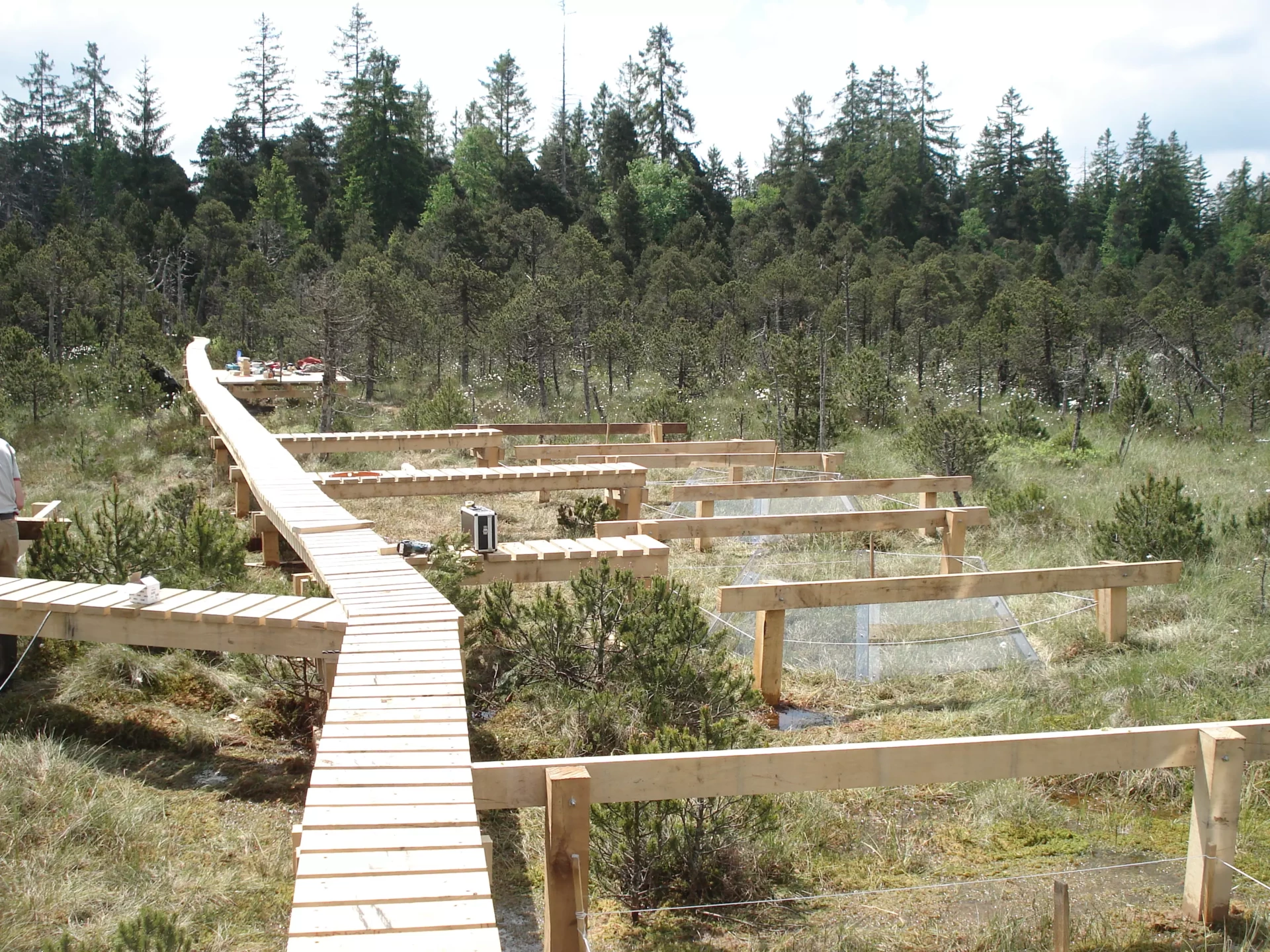
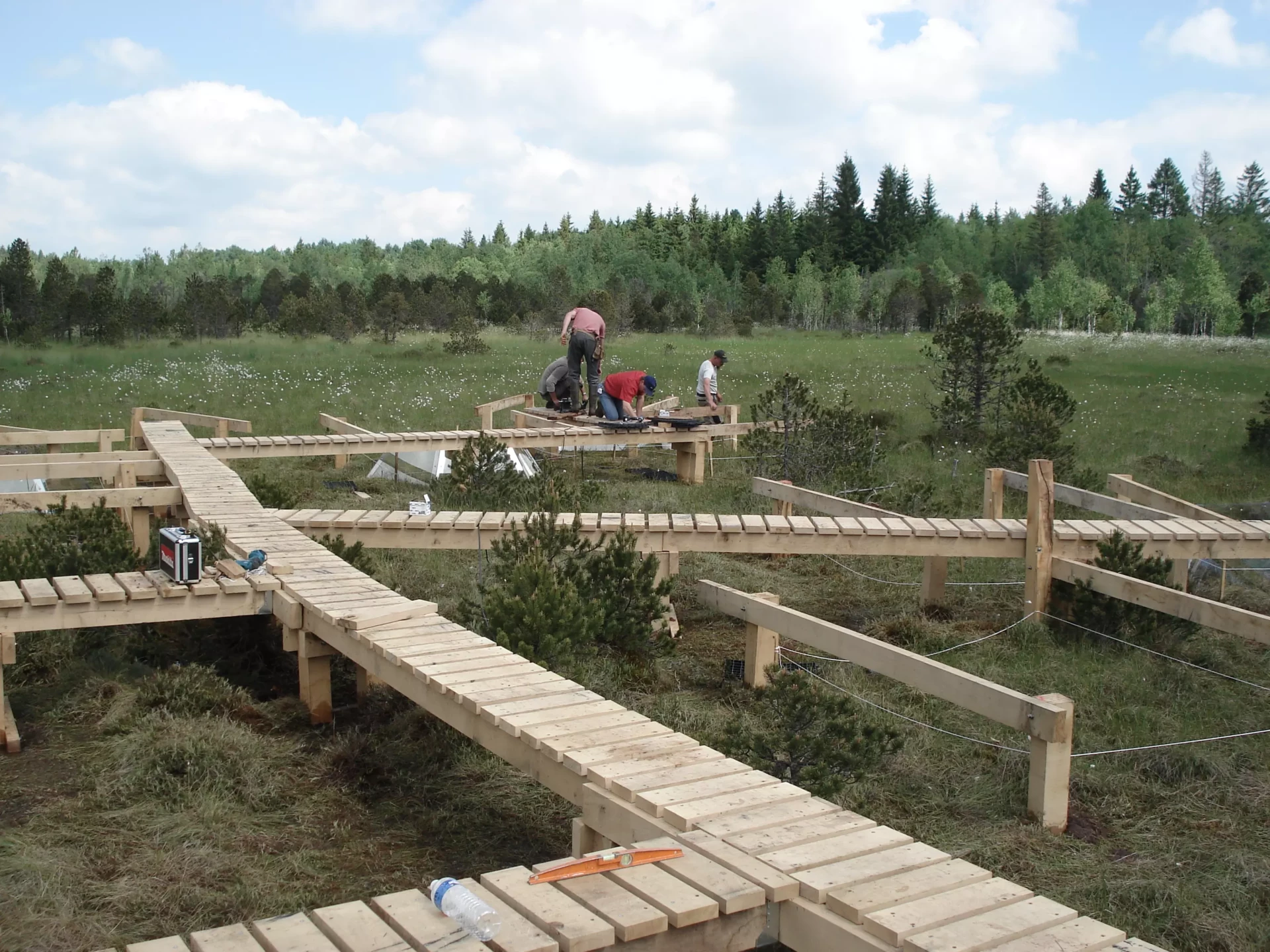
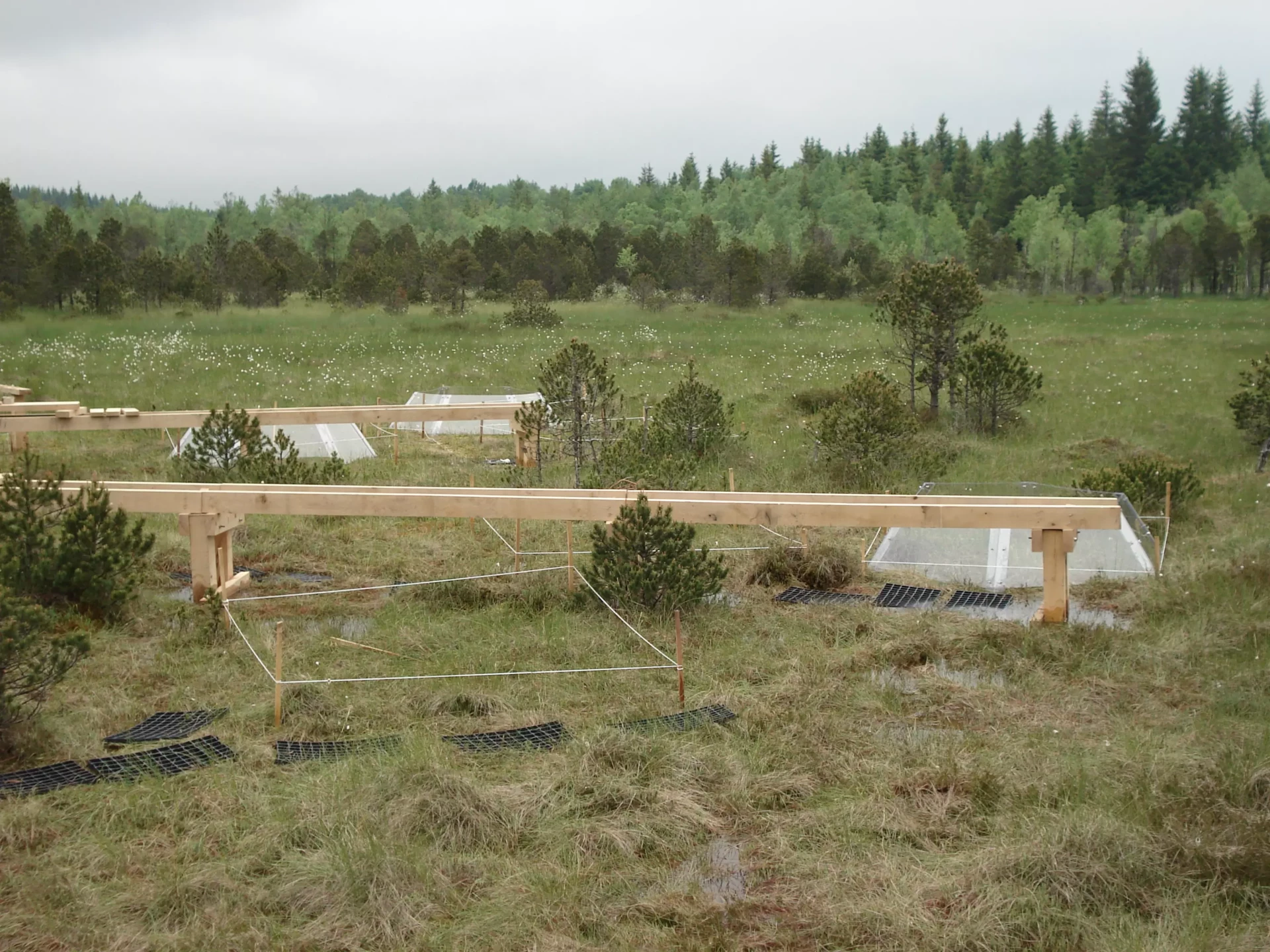
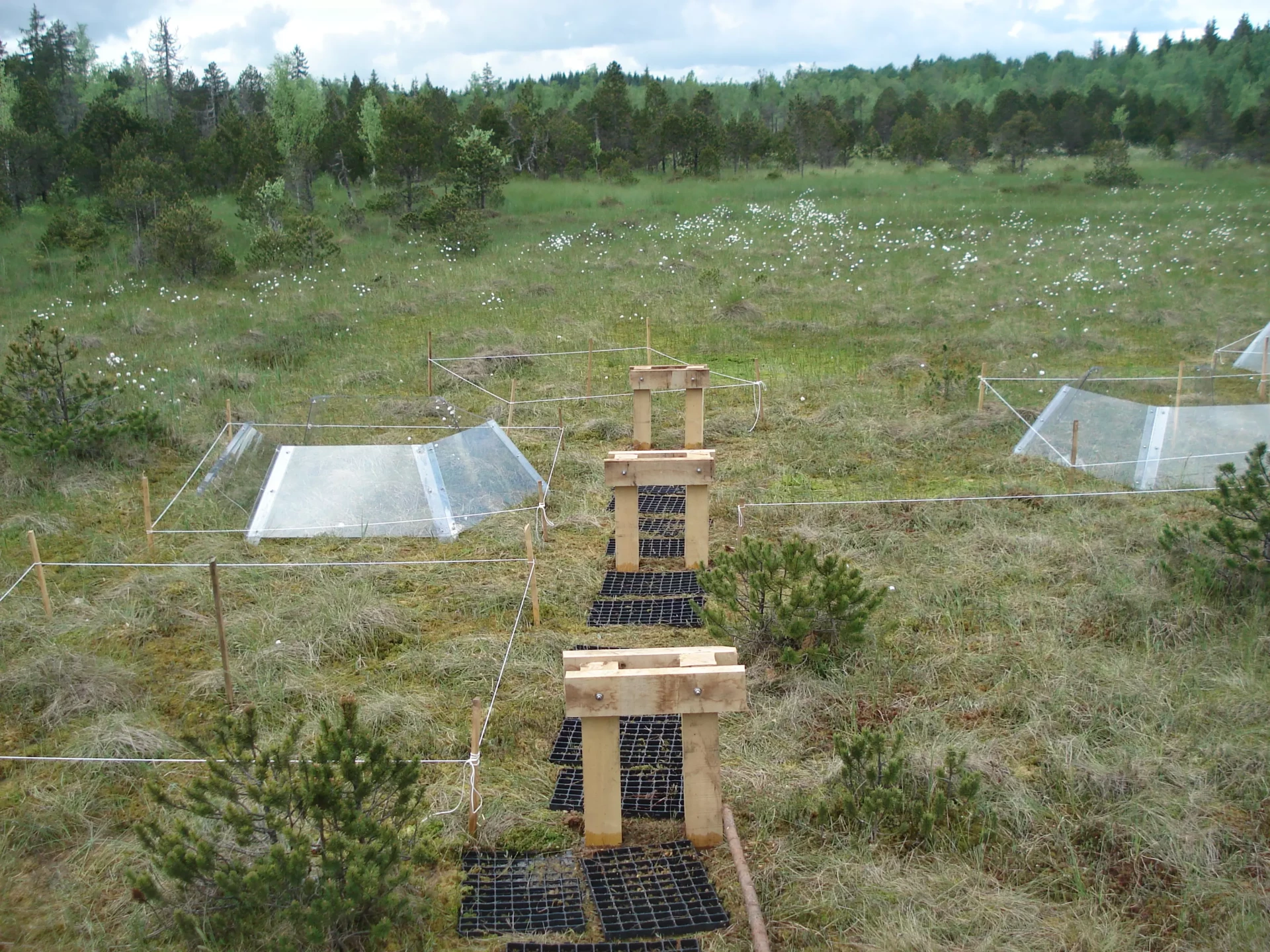
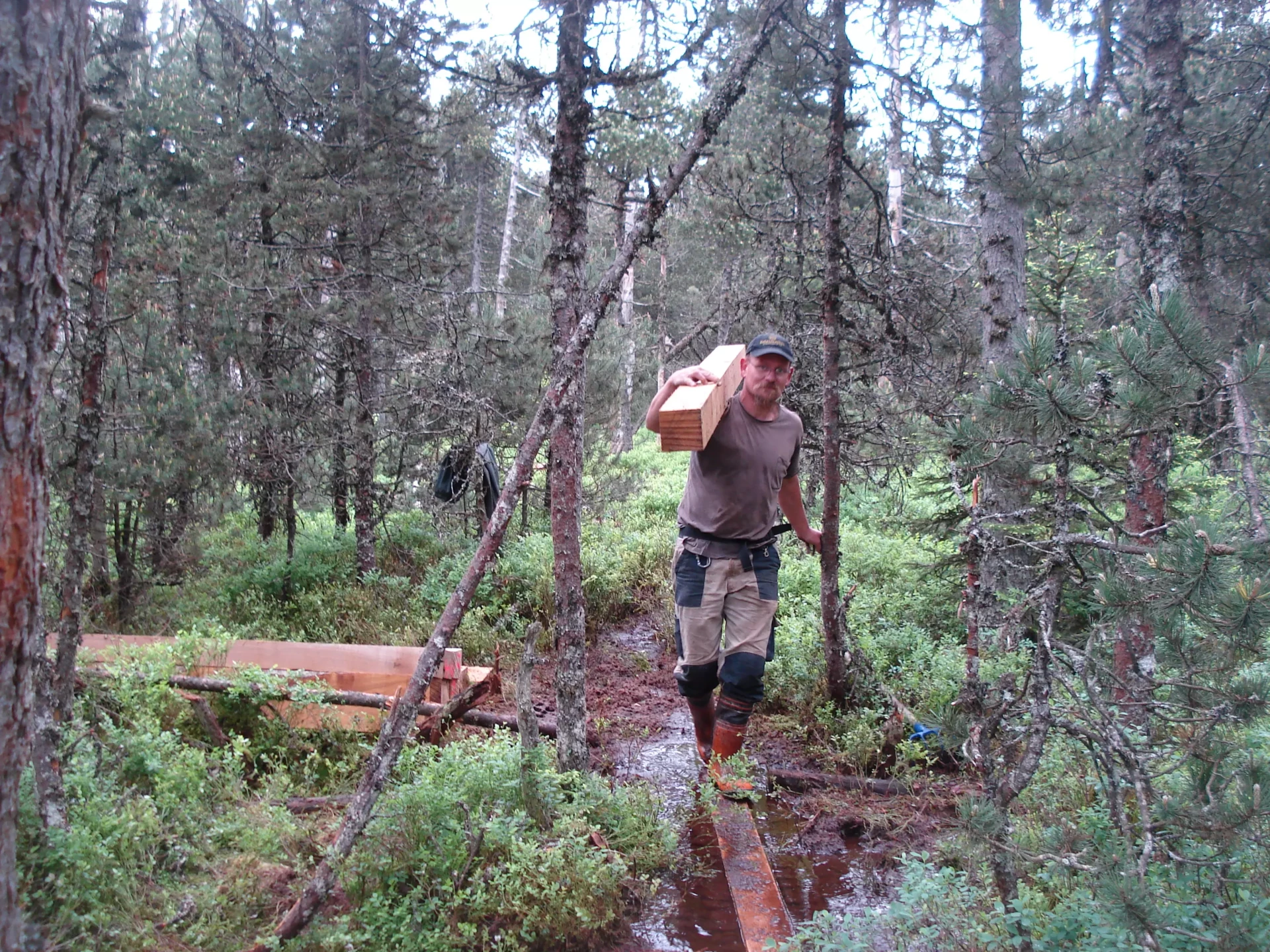
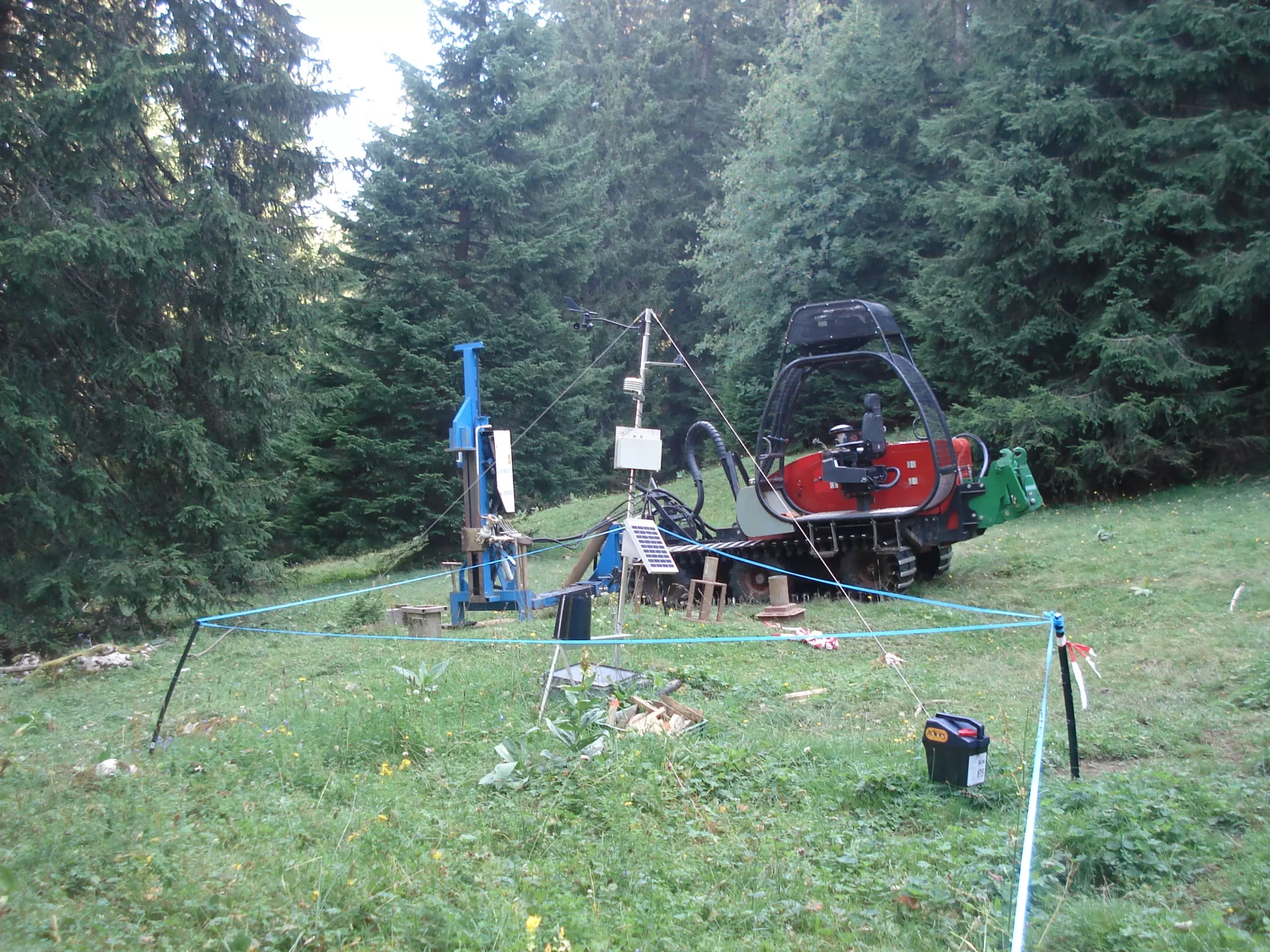
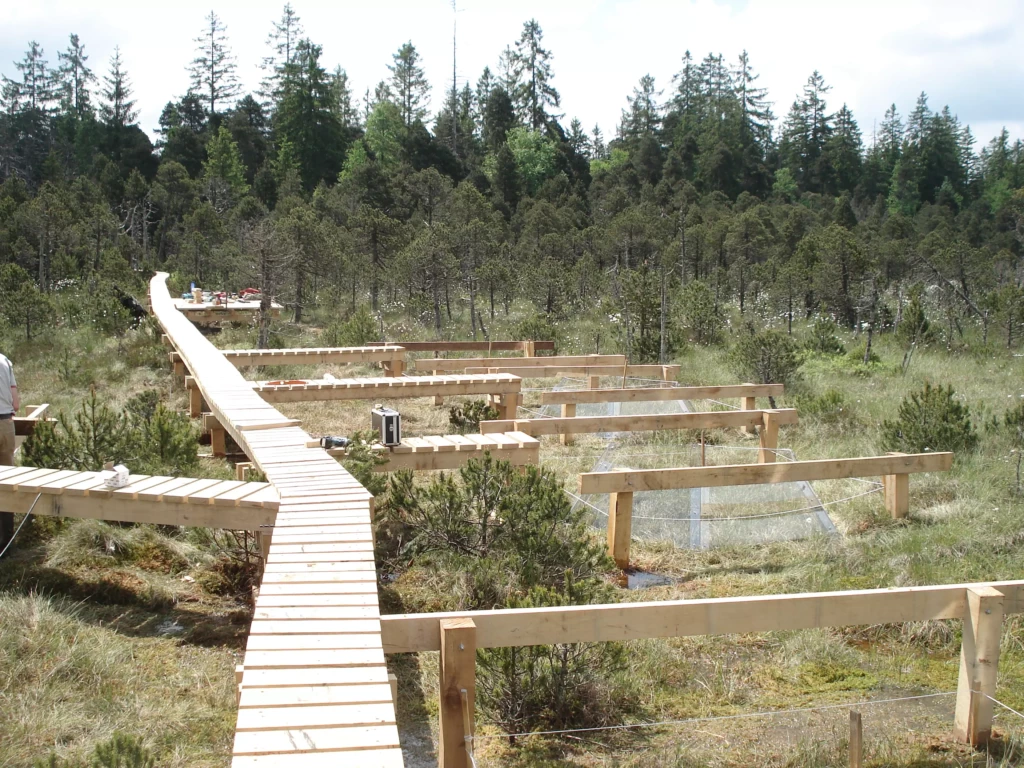
The experimental in situ warming setup (Frasne peatland, Doubs) consists of 12 plots, 6 of which feature small open-top hexagonal chambers (Open-Top Chambers, “OTCs,” following the standardized ITEX protocol), implemented for the first time in a temperate zone. Two types of biotopes with contrasting water regimes were studied: raised bogs and wetter transitional bogs. The plots were equipped with temperature sensors (air and soil), water table level sensors, and devices for monitoring vegetation and gases. Four automatic CO2 measurement chambers were developed and deployed at the site in 2010 and 2011.
At the same time, peat microcosms with vegetation were incubated for 12 months in climate chambers to study the effect of a +3°C temperature increase on C-N-S biotic interactions. The effects of in situ and ex situ warming on key compartments (vegetation, gases, sphagnum mosses, peat, microorganisms) were analyzed using an interdisciplinary approach combining complementary and innovative expertise (plant and microbial ecology, ecophysiology, molecular and isotopic geochemistry, paleoecology, modeling).
The experimental design has since been replicated in Poland (CLIMPEAT Project) and in Siberia (CliMireSiber Project). The instrumented site is now part of the National Peatland Observation Service, accredited by the CNRS INSU-SIC.