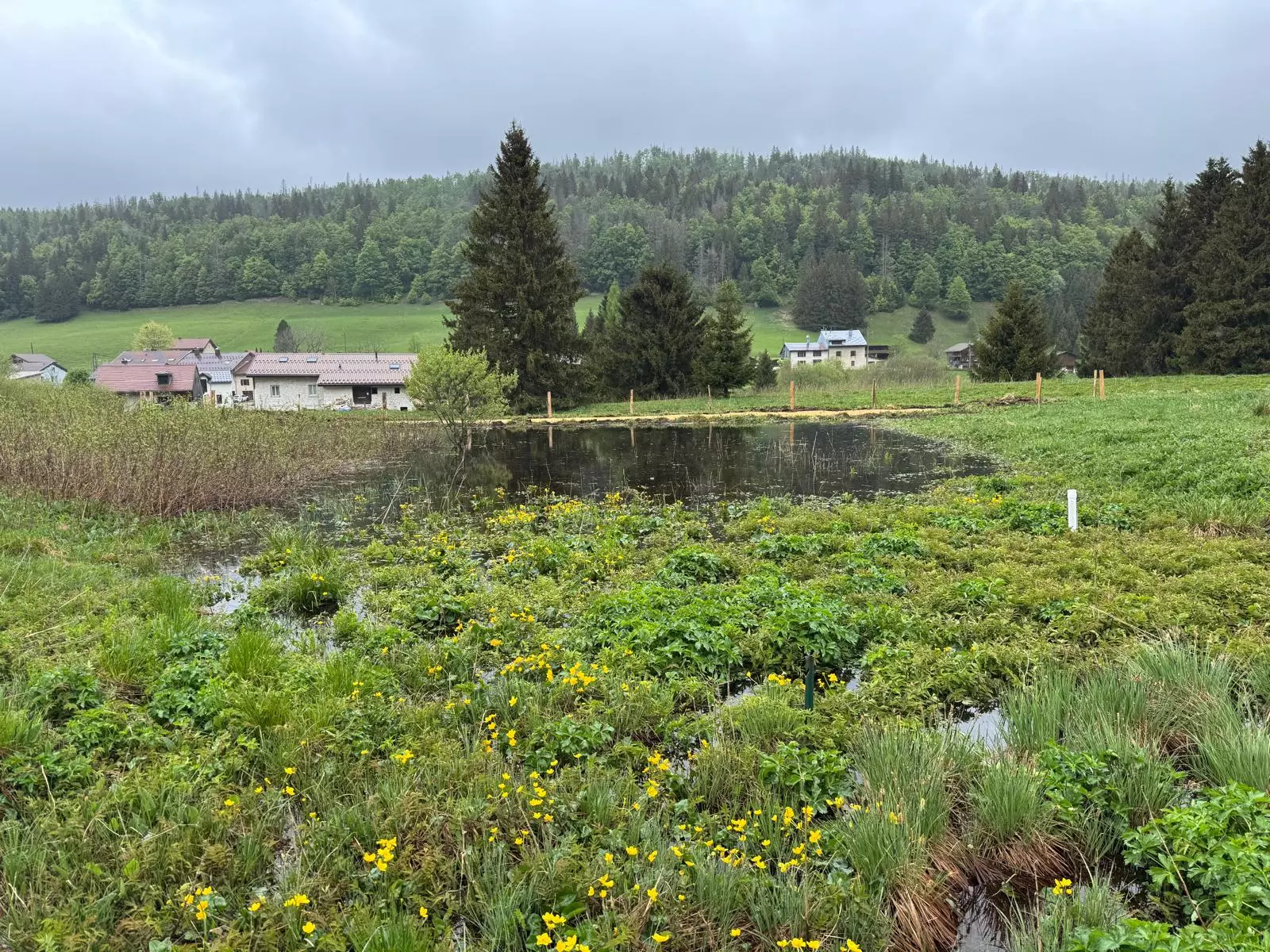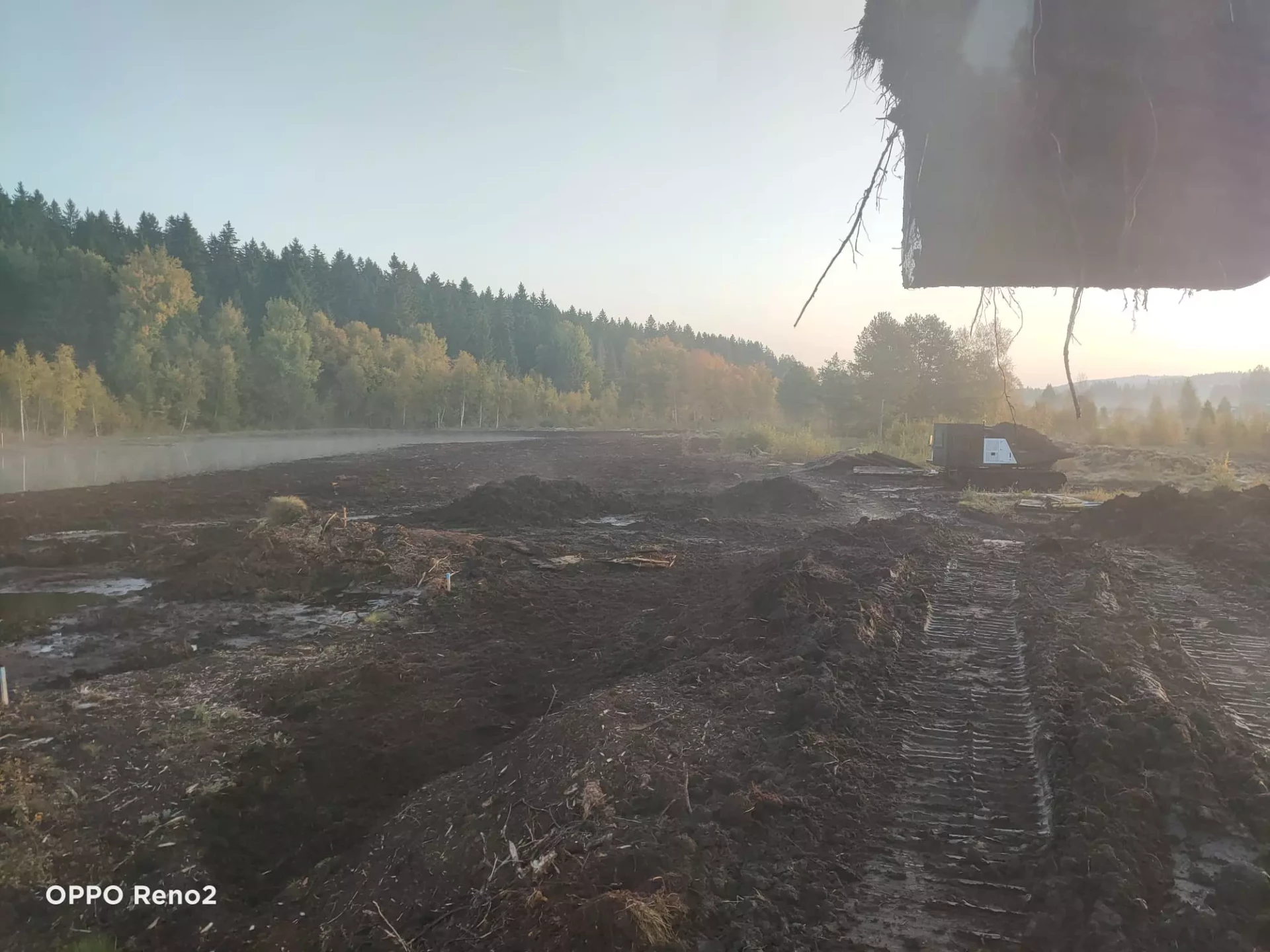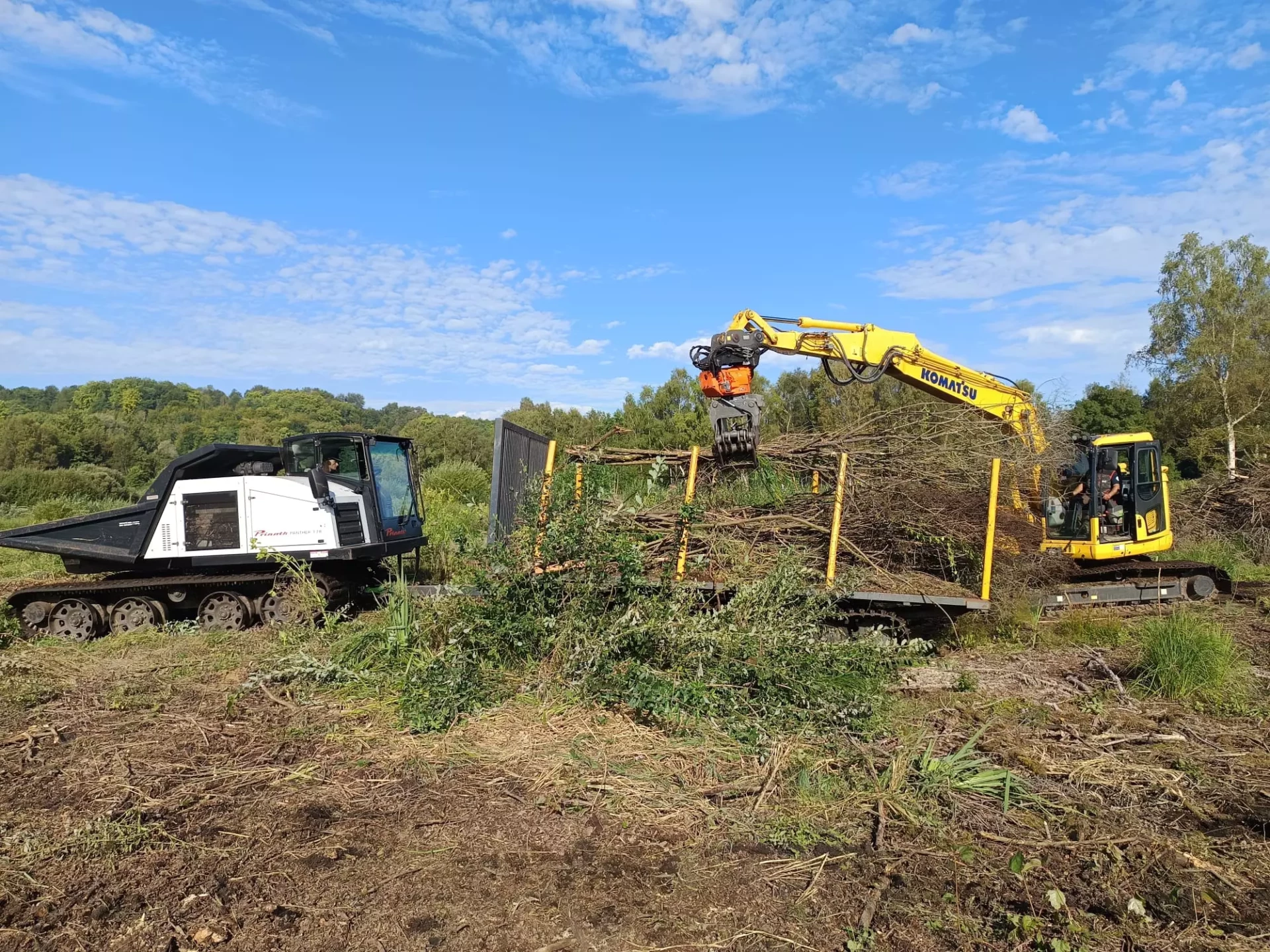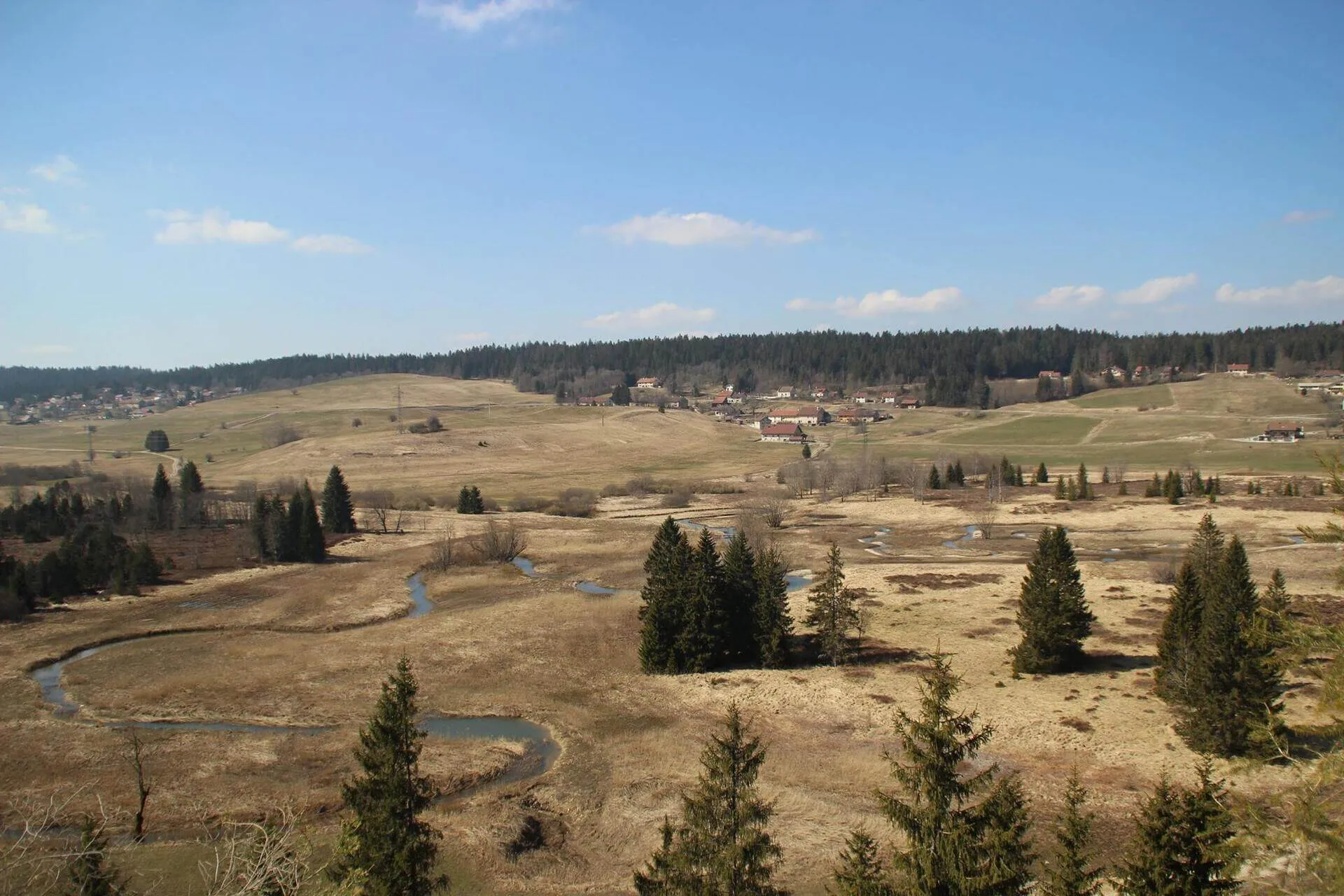
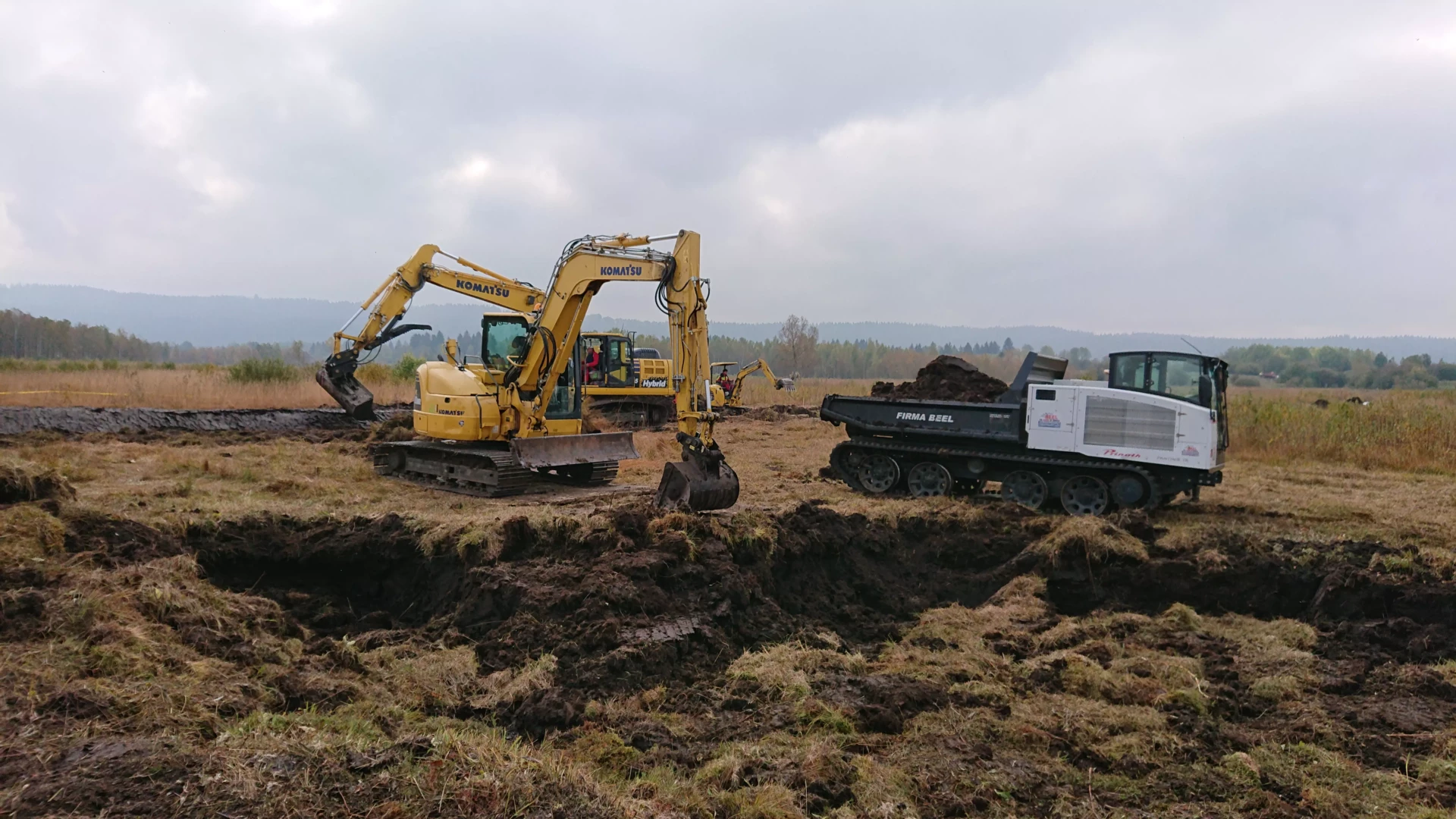




Beneath the surface of a bog, water has been carving out invisible paths for millennia. 

Marshes and bogs are among the most unassuming yet precious ecosystems in existence. Beneath their spongy surfaces, complex ecological balances—shaped over thousands of years— are at play. But when the water disappears, these balances are disrupted.

Restoring them requires patience, precision, and an intimate knowledge of these specific regions.

Restoring them means restoring these water-rich habitats to the status of irreplaceable ecological treasures that they deserve.


To clarify 

Hydrological restoration projects aim to restore the natural functioning of marshes and peatlands that have been significantly altered by human activities.

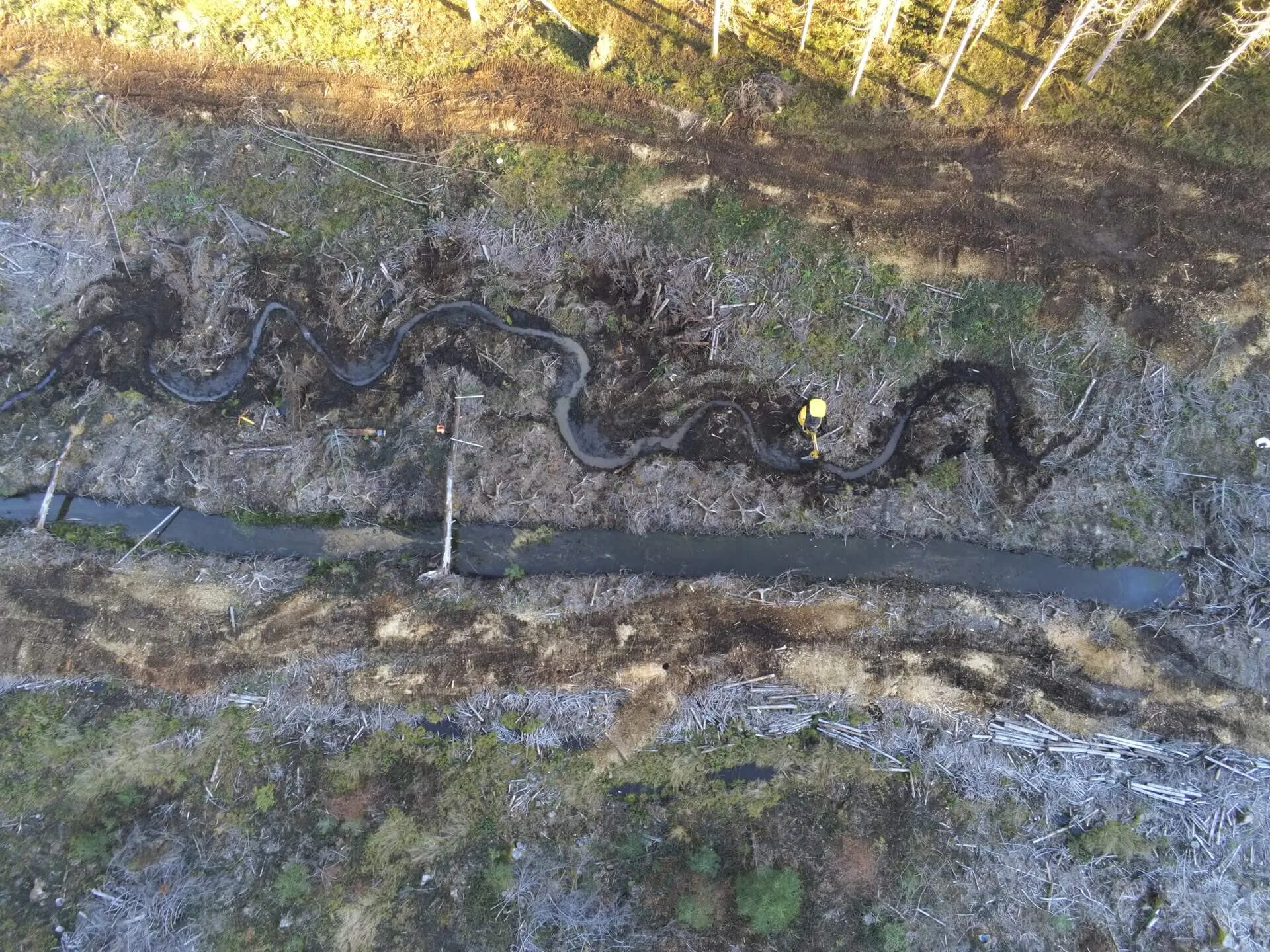
In practical terms, this restoration involves removing the drainage systems that artificially lower the water level in the area, so that the bog can return to its natural state.


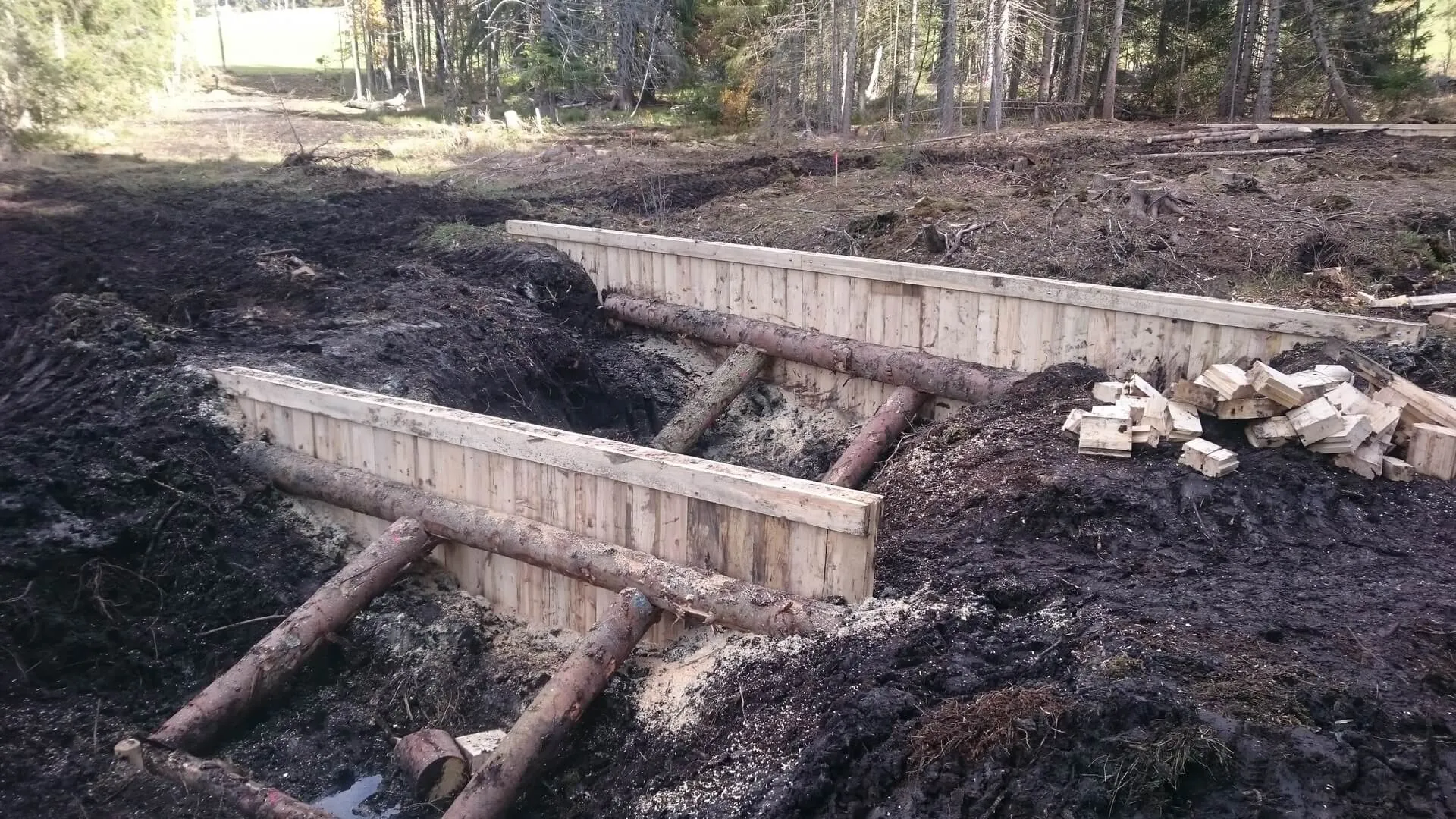
Backfilling of buried drains and drainage ditches

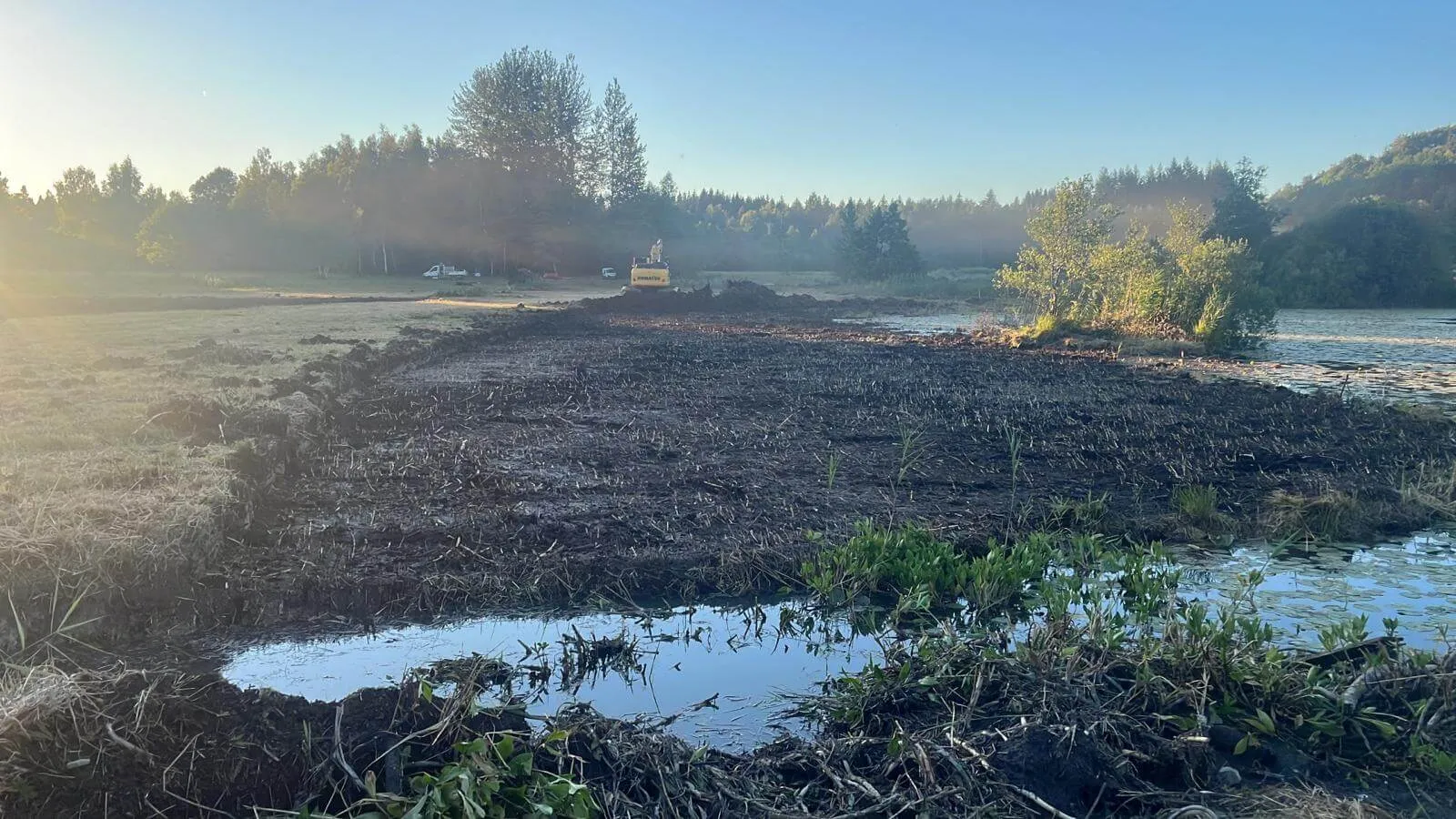
Rising water levels in peatlands and marshes

The return of sphagnum mosses and habitat-dependent biodiversity

Restoration of the bog's ecological functions

The benefits

Restoring Peatland Ecosystem Services in the Face of Climate Change

The Return of Wetland Flora and Fauna

Recharging groundwater and maintaining summer flow rates

Natural flood control downstream

The process 

01

Locating and mapping existing drains and ditches

02

Selecting the proper soil treatment method based on soil size, depth, and type

03

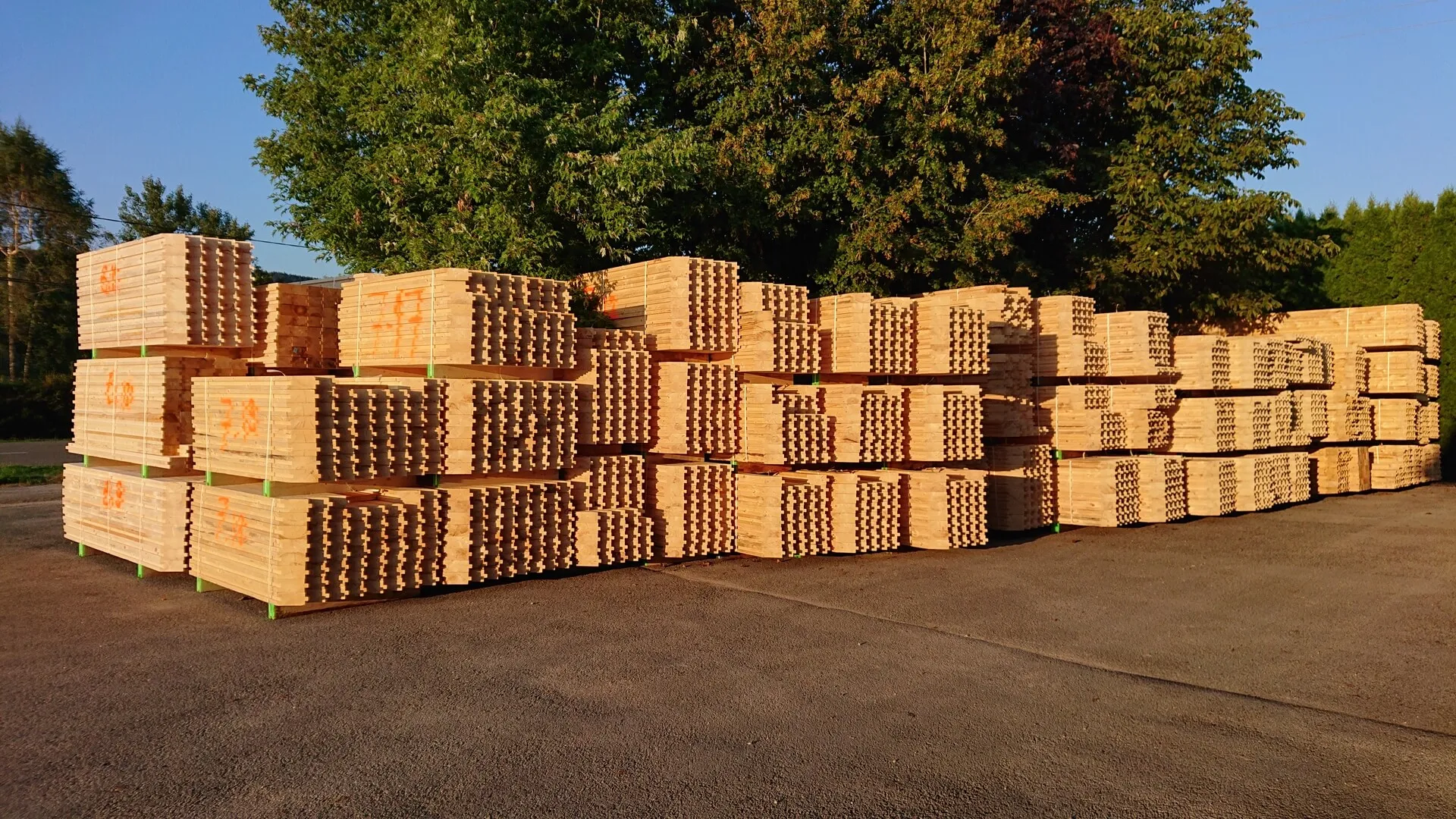
Manufacturing of components in the workshop (shaping and machining)

04

Delivery and transport of fencing to the site

05

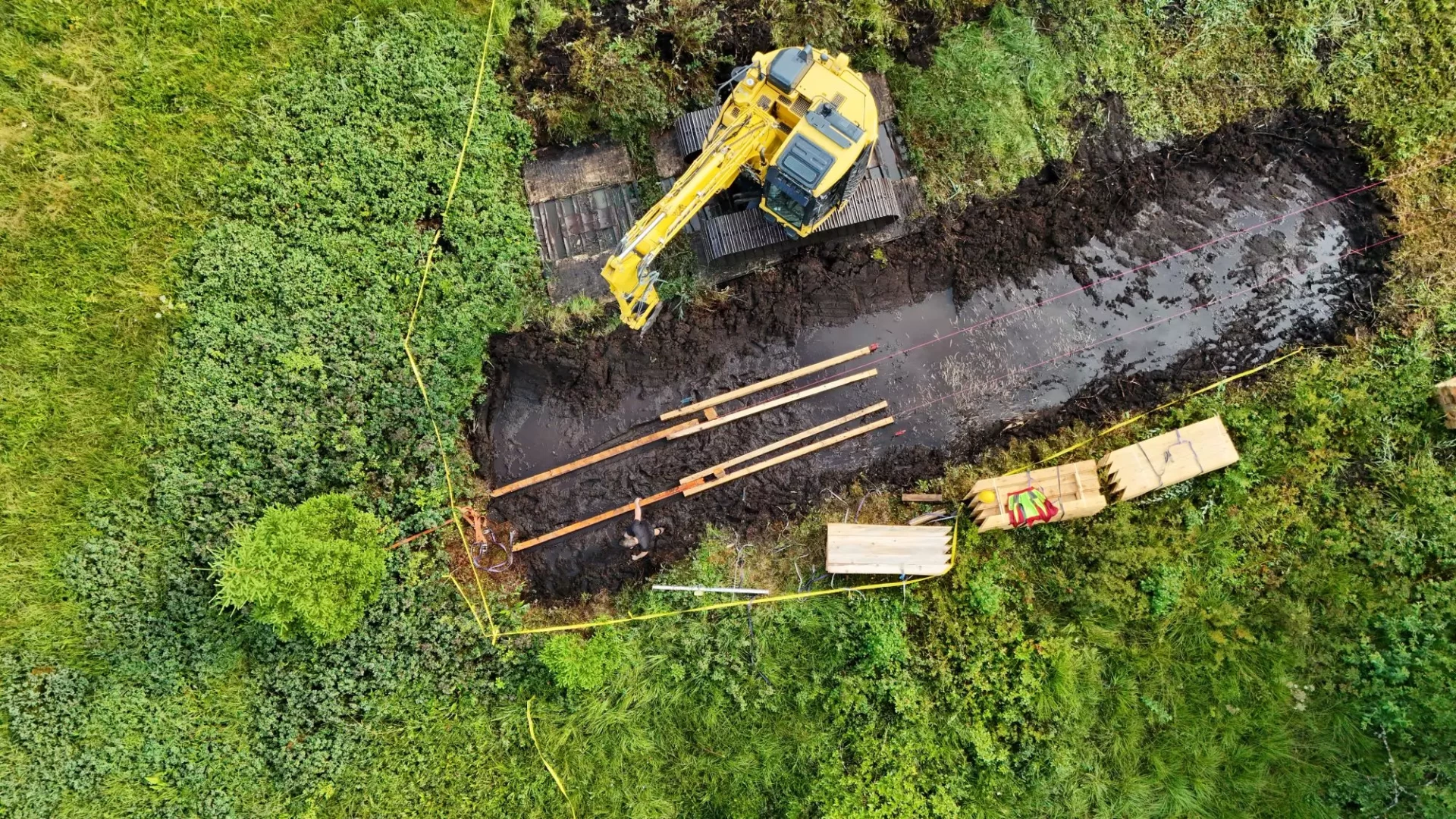
Installation of fences or panels

06

Backfilling according to the selected method

07

Monitoring water levels after the intervention

  • Local governments (municipalities, counties, regions)
  • Water Agencies
  • Regional and National Natural Parks
  • Wetland Managers
  • River Associations and EPAGE
  • Nature Conservation Areas
  • Environmental protection organizations
  • Assessment of the existing drainage system and selection of the appropriate backfilling method
  • Technical advice to project owners on selecting methods based on site constraints
  • Logistical coordination of construction sites in remote areas, including airlifting of materials if necessary
  • Route for distribution plates to minimize ground disturbance
  • Excavators designed for the load-bearing capacity of peat soils,
  • Low environmental impact and biodegradable oil
  • Wood from sustainably managed forests, PEFC-certified
  • Qualified staff trained to work in sensitive natural environments
  • Measuring tools for checking levels and profiles on the job site

Take a look at some of our hydraulic restoration projects

Request a quote

Jura Natura Services is here to help.

Please fill out the form below, and our team will contact you shortly to discuss your needs and the solutions we can provide to ensure the success of your hydraulic restoration project.


    *: Required fields